Bank of Agriculture Managing Director/Chief Executive Officer Participates in 5th National Stakeholders’ Engagement Workshop on Productive Use of Energy Technologies
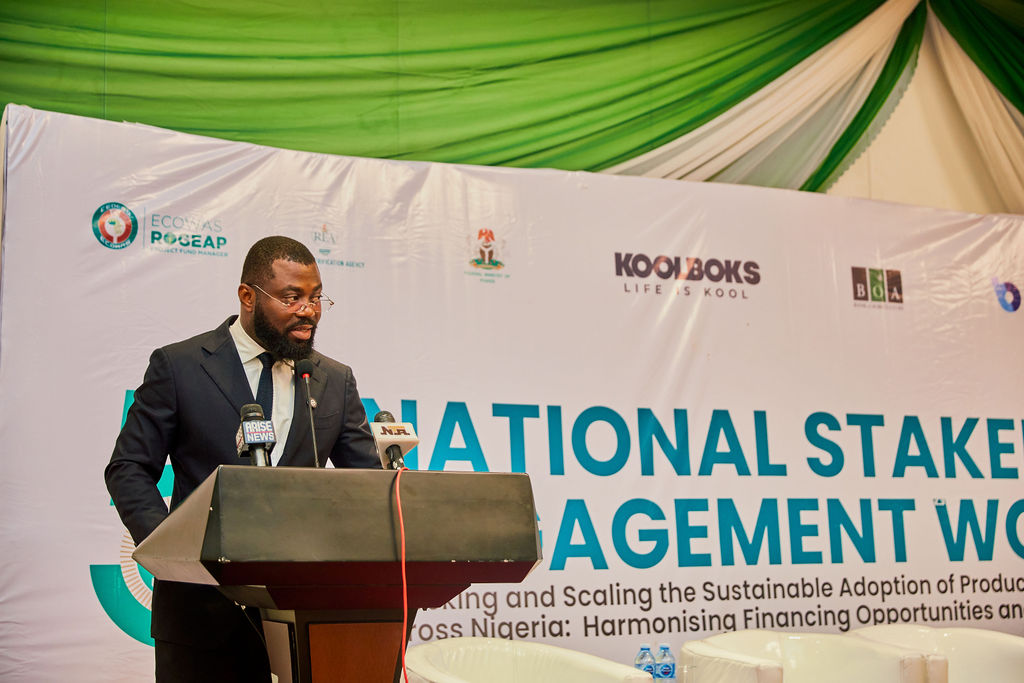
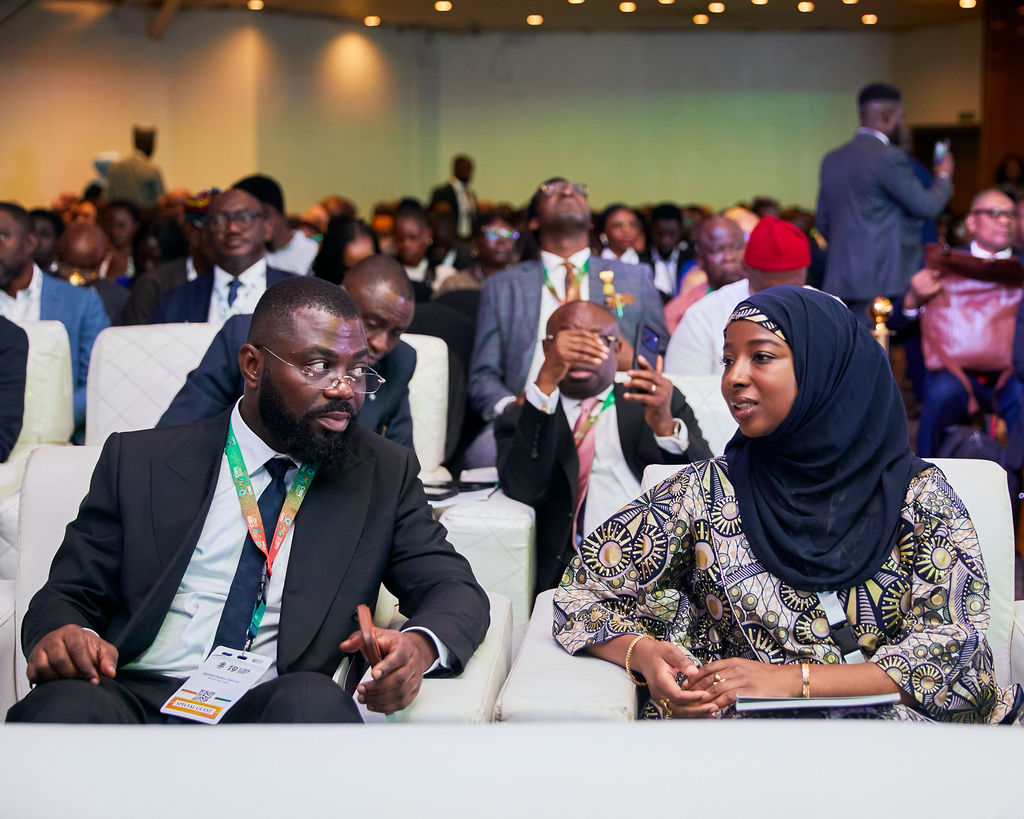
The Managing Director/Chief Executive Officer of the Bank of Agriculture (BOA), Mr. Ayodeji Oludare Sotinrin, participated in the 5th National Stakeholders’ Engagement Workshop organised by the Rural Electrification Agency (REA) in Abuja. The workshop brought together key stakeholders from across government, development institutions, financial organisations, the private sector, and international development partners to discuss strategies for expanding the adoption of productive-use energy technologies in Nigeria.
Held under the theme, “Unlocking and Scaling the Sustainable Adoption of Productive Use of Energy Technologies Across Nigeria: Harmonising Financing Opportunities and Policy Frameworks,” the engagement focused on identifying practical solutions to improve access to sustainable energy for agriculture, agro-processing, micro, small and medium-sized enterprises (MSMEs), and rural communities. Participants explored how stronger collaboration, innovative financing, and supportive policy frameworks can accelerate the deployment of productive-use energy technologies that stimulate economic growth and improve livelihoods.
The workshop provided an important platform for dialogue on the critical role of energy access in enhancing agricultural productivity and strengthening value chains. Discussions highlighted the need for coordinated efforts between government agencies, financial institutions, development partners, and the private sector to address financing gaps, encourage investment, and create an enabling environment for the adoption of renewable and productive-use energy solutions across Nigeria.
For the Bank of Agriculture, participation in the workshop reflects its continued commitment to supporting initiatives that promote sustainable agricultural development through innovative financing and strategic partnerships. As Nigeria’s foremost agricultural development finance institution, BOA recognises that access to reliable, affordable, and sustainable energy is an essential driver of agricultural productivity, agro-industrial growth, and rural economic transformation.
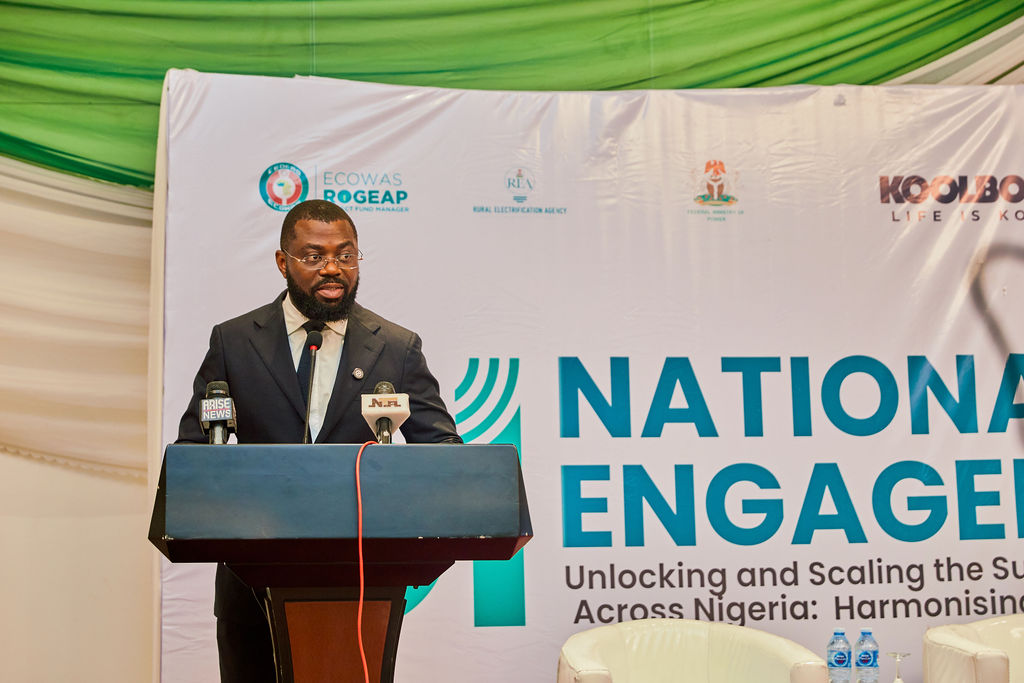
Strengthening Financing for Productive-Use Energy
A major focus of the workshop was the need to strengthen financing mechanisms that enable farmers, agribusinesses, cooperatives, and rural enterprises to adopt productive-use energy technologies. Participants examined opportunities to harmonise financing models and policy frameworks that encourage investment in clean energy solutions capable of supporting irrigation, mechanised farming, agro-processing, cold storage, and other productive agricultural activities.
These interventions are expected to improve operational efficiency, reduce production costs, minimise post-harvest losses, and increase the competitiveness of Nigeria’s agricultural sector. Expanding access to sustainable energy solutions also presents opportunities to stimulate rural enterprise development, create employment, and improve incomes across agricultural value chains.
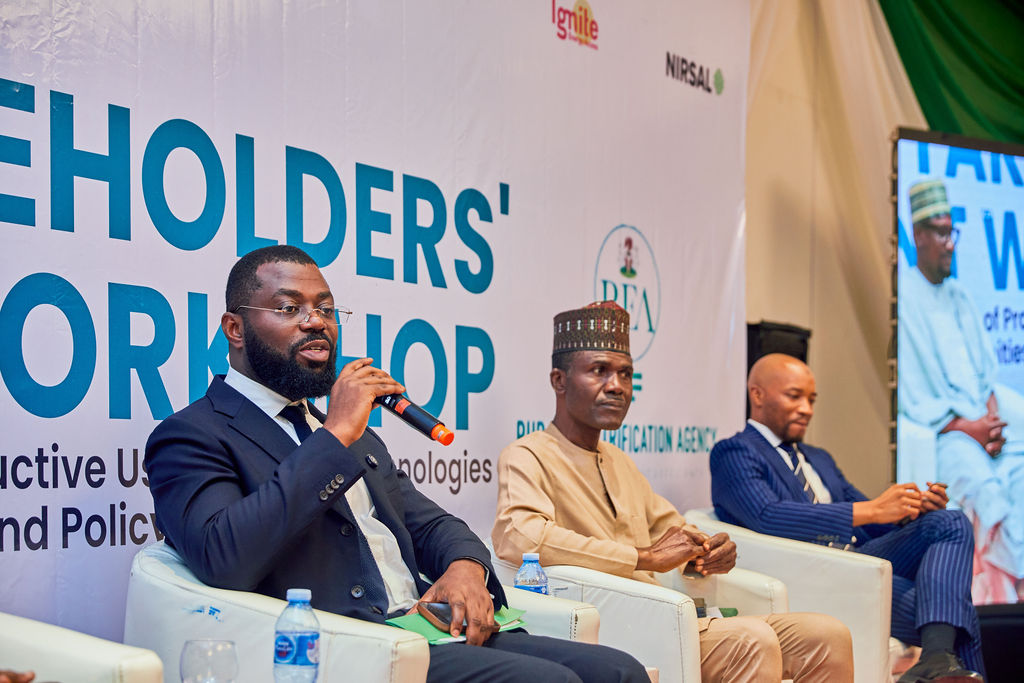
BOA’s Commitment to Sustainable Agricultural Development
Mr. Sotinrin’s participation at the workshop underscores the Bank’s strategic focus on supporting programmes that enhance agricultural productivity while promoting sustainable development. Through accessible agricultural financing and partnerships with public and private sector stakeholders, BOA continues to advance initiatives that empower farmers, strengthen agribusinesses, and improve access to the resources required for long-term growth.
The Bank recognises that sustainable energy and agricultural finance are complementary drivers of rural development. By supporting investments that improve productivity and encourage value addition, BOA contributes to building resilient agricultural systems capable of meeting Nigeria’s growing food and economic needs.
The workshop also reaffirmed the importance of collaboration among stakeholders in developing practical solutions that expand access to productive-use energy technologies while supporting national development priorities.
As Nigeria’s agricultural development finance institution, the Bank of Agriculture remains committed to working with the Rural Electrification Agency, development partners, government institutions, financial organisations, and private sector stakeholders to promote innovative financing, strengthen agricultural value chains, and support sustainable rural development.
Through strategic partnerships and targeted interventions, BOA will continue to play its role in advancing initiatives that improve farmers’ productivity, enhance value addition, and contribute to inclusive economic growth and national development.
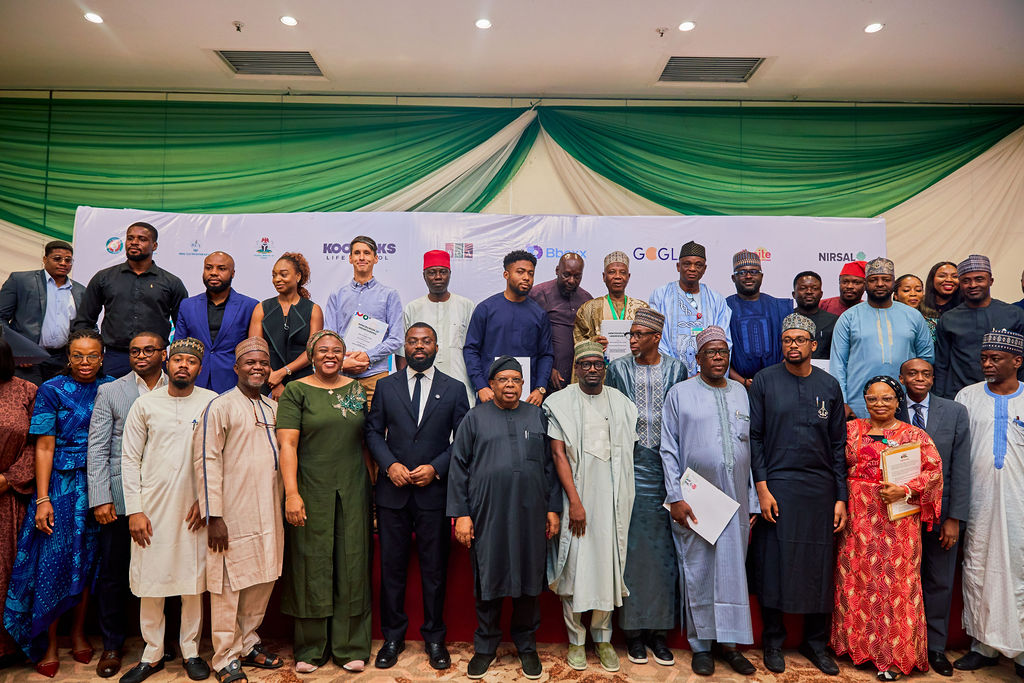
Advancing Collaboration for Sustainable Development
The workshop further highlighted the importance of sustained collaboration among public institutions, development partners, financial organisations, and private sector stakeholders in accelerating the adoption of productive-use energy technologies across Nigeria. Participants agreed that addressing financing constraints, strengthening institutional partnerships, and promoting policy consistency will be essential to scaling innovative energy solutions that support agricultural production and rural enterprises.
For the Bank of Agriculture, engagements such as this provide valuable opportunities to contribute to national conversations on sustainable development while identifying practical approaches to expanding access to finance for farmers and agribusinesses. By working alongside strategic partners, the Bank continues to support initiatives that enhance productivity, encourage value addition, and improve the resilience of agricultural value chains.
As Nigeria continues to pursue inclusive economic growth and food system transformation, the integration of reliable energy solutions with agricultural financing will remain an important catalyst for improving livelihoods, increasing investment, and driving long-term rural development across the country.