Bank of Agriculture Strengthens Partnership with Sokoto State to Advance Agricultural Mechanisation

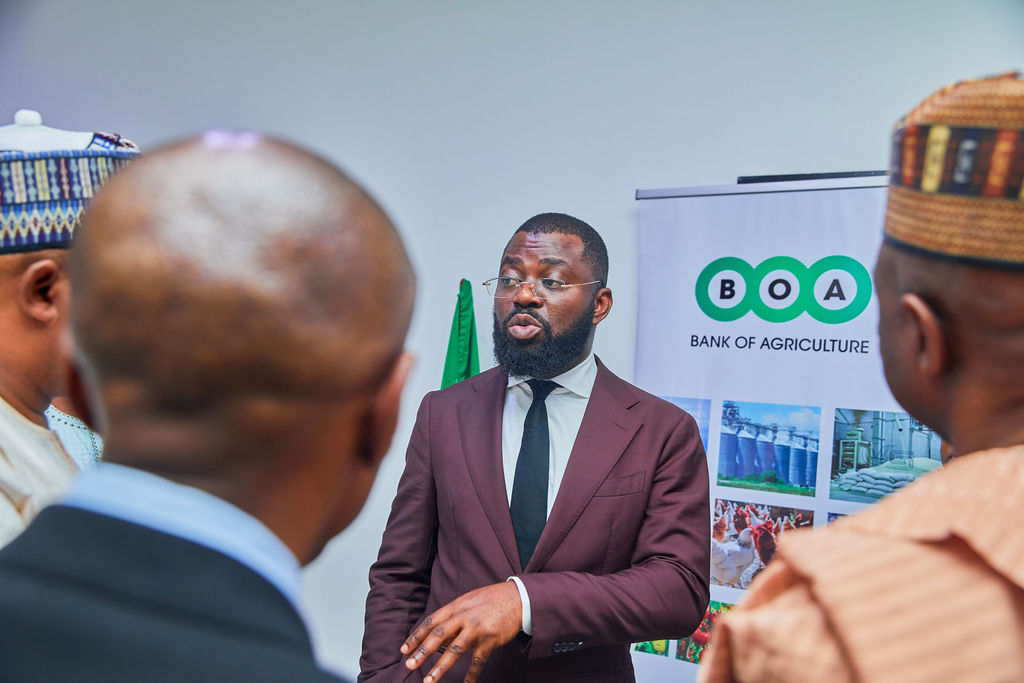
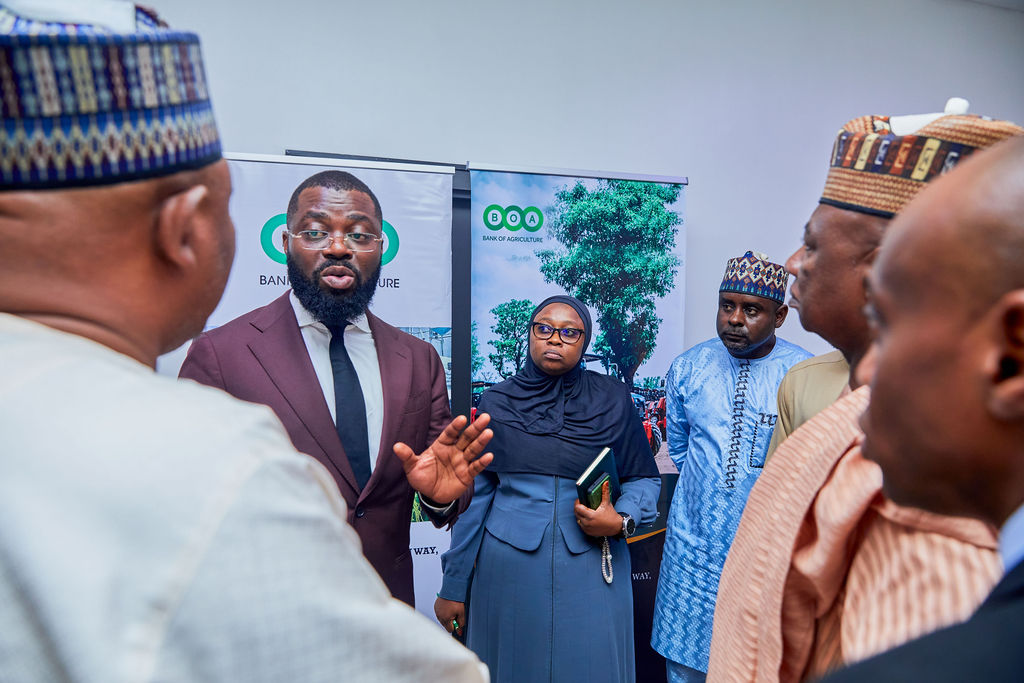
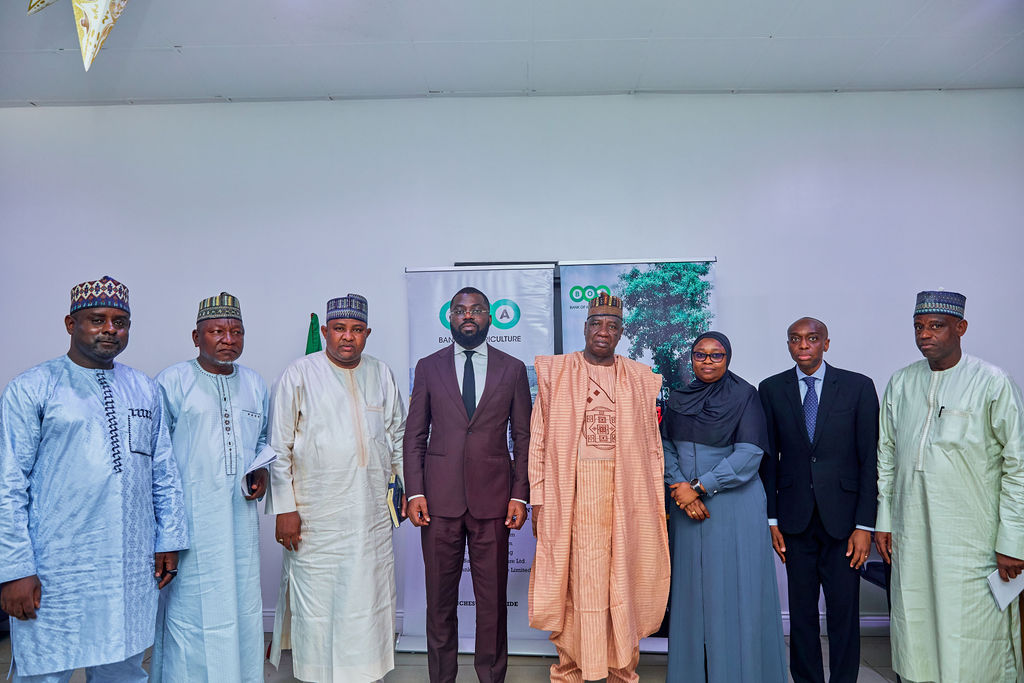
The Bank of Agriculture (BOA) has reaffirmed its commitment to accelerating agricultural transformation through strategic partnerships following a high-level engagement with the Honourable Commissioner for Agriculture, Sokoto State, Alhaji Tukur Alkali, and the Permanent Secretary of the Sokoto State Ministry of Agriculture, Almustapha Abubakar Alkali.
The meeting focused on advancing agricultural mechanisation across Sokoto State and developing critical agricultural infrastructure that will improve productivity, strengthen value chains, and better support smallholder farmers who form the backbone of the state’s agricultural economy.
The discussions reflect a shared commitment between the Bank of Agriculture and the Sokoto State Government to leverage innovation, financing, and strategic investments to modernise agriculture and improve livelihoods.

Advancing Agricultural Mechanisation in Sokoto State
Agricultural mechanisation remains one of the most effective pathways for increasing farm productivity, reducing labour constraints, and improving efficiency across the agricultural value chain. With agriculture serving as a major source of employment and income in Sokoto State, expanding access to modern farming equipment and mechanised services has become increasingly important to meeting growing food demands and enhancing rural prosperity.
During the meeting, both parties explored opportunities to strengthen collaboration in the deployment of mechanisation solutions that will enable farmers to cultivate larger areas, improve operational efficiency, reduce post-harvest losses, and increase overall agricultural output.
The discussions also highlighted the importance of ensuring that smallholder farmers have greater access to affordable mechanisation services capable of improving productivity while reducing the cost and time associated with traditional farming practices.
Developing Agricultural Infrastructure
In addition to mechanisation, discussions centred on the development of agricultural infrastructure needed to support sustainable agricultural growth across Sokoto State.
Participants recognised that investments in storage facilities, processing centres, irrigation systems, rural access roads, aggregation centres, and other critical infrastructure are essential to reducing post-harvest losses, improving market access, and creating stronger agricultural value chains.
Strengthening agricultural infrastructure not only improves farmers’ productivity but also enhances opportunities for agro-processing, value addition, and private sector investment, ultimately contributing to increased incomes and improved food security.
Supporting Smallholder Farmers
Smallholder farmers remain central to Nigeria’s agricultural sector, accounting for a significant share of domestic food production. Improving their access to finance, modern technologies, mechanised services, and agricultural infrastructure is essential for increasing resilience and driving inclusive agricultural development.
The Bank of Agriculture continues to prioritise programmes and partnerships that empower smallholder farmers through accessible agricultural financing and strategic interventions that promote higher productivity and sustainable livelihoods.
The engagement with the Sokoto State Ministry of Agriculture reinforces BOA’s commitment to working closely with state governments to develop practical solutions that address the evolving needs of farmers while supporting long-term agricultural transformation.
BOA’s Commitment to Agricultural Transformation
As Nigeria’s foremost agricultural development finance institution, the Bank of Agriculture remains committed to supporting initiatives that enhance agricultural productivity, strengthen value chains, and promote sustainable rural development.
Through strategic partnerships with federal and state governments, development partners, financial institutions, and private sector stakeholders, BOA continues to champion investments that expand access to agricultural finance, modern farming technologies, and infrastructure capable of unlocking the full potential of Nigeria’s agricultural sector.
The Bank remains dedicated to fostering collaborative solutions that improve food security, create employment opportunities, and drive inclusive economic growth in line with the Federal Government’s agricultural transformation agenda.